Black History
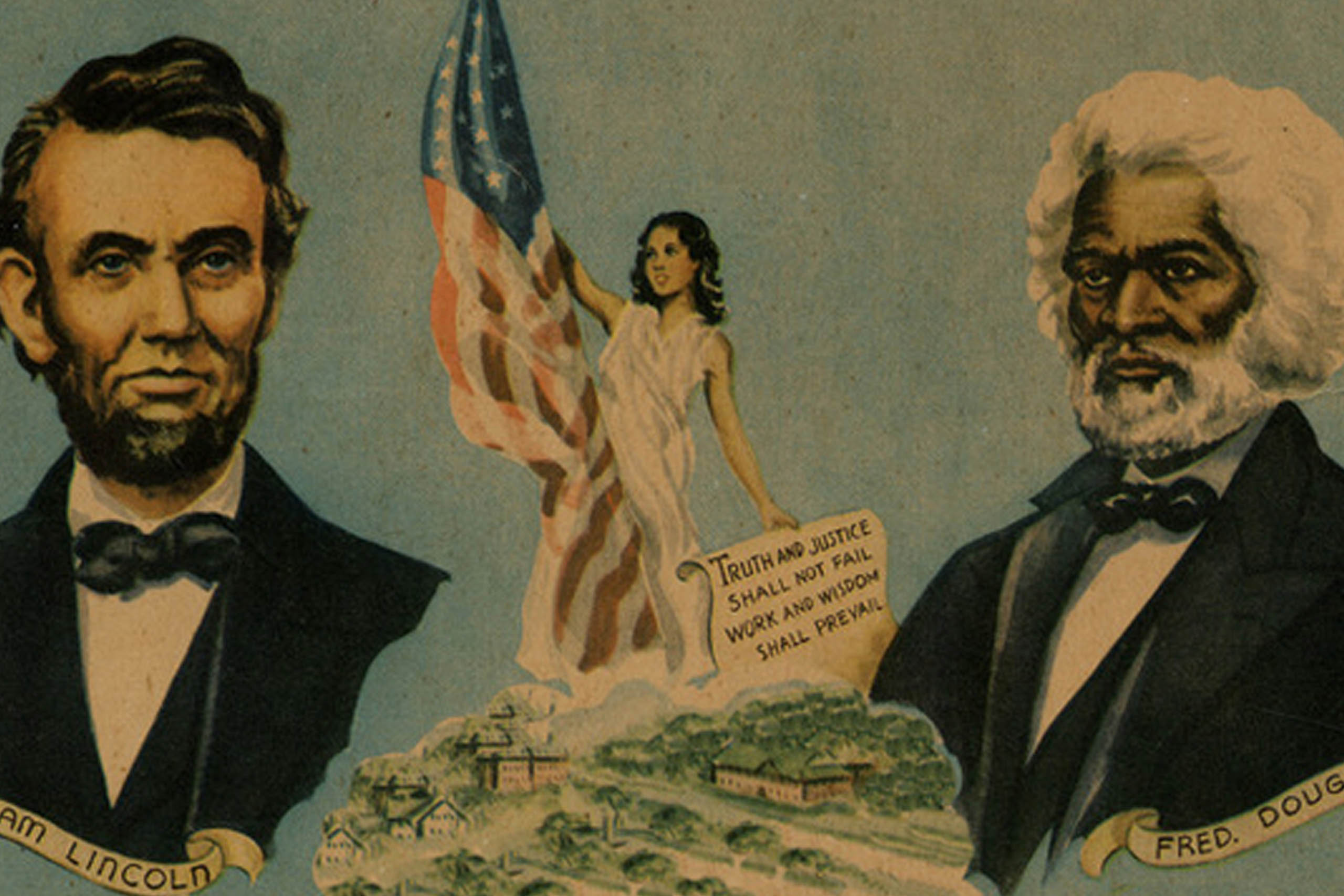
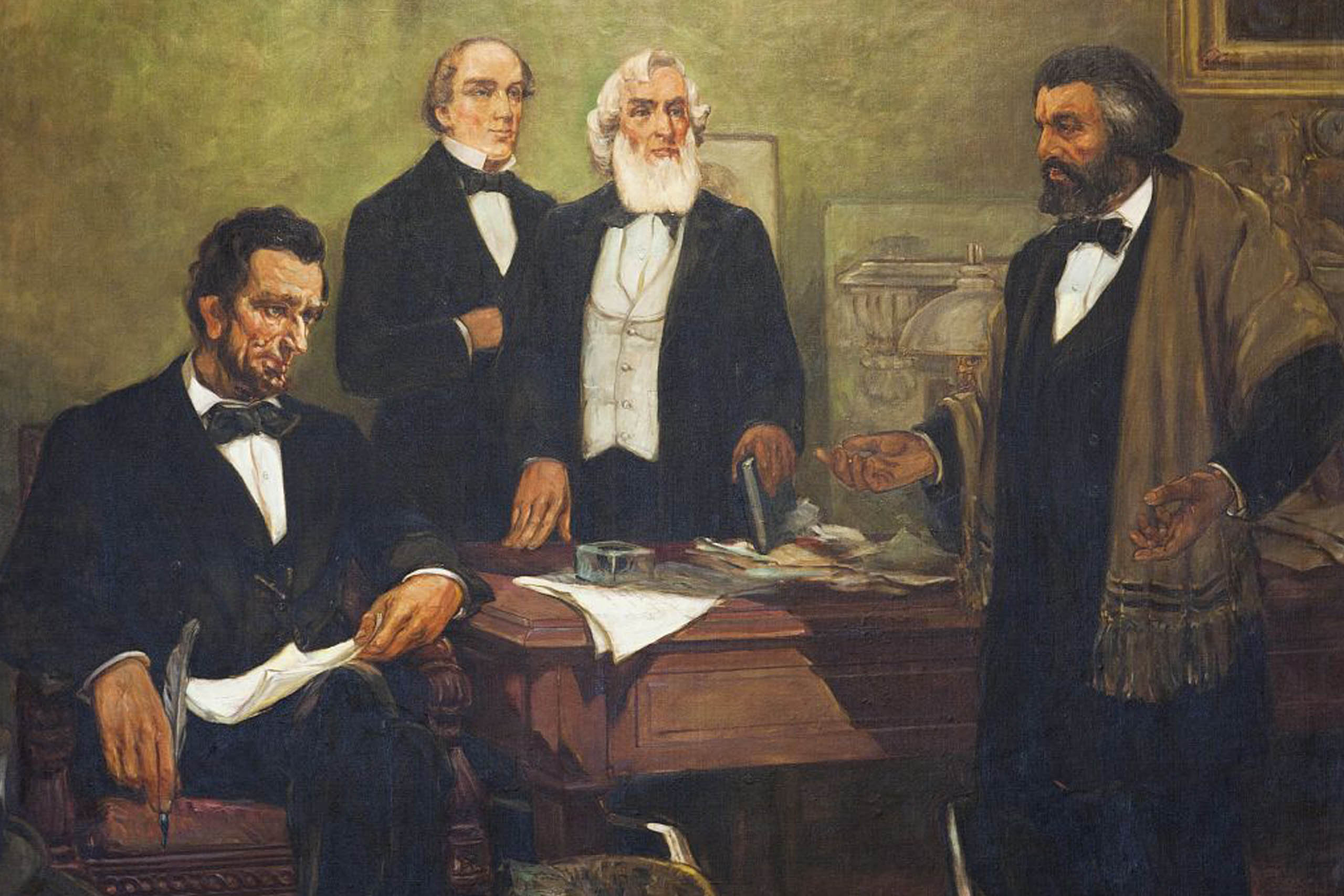
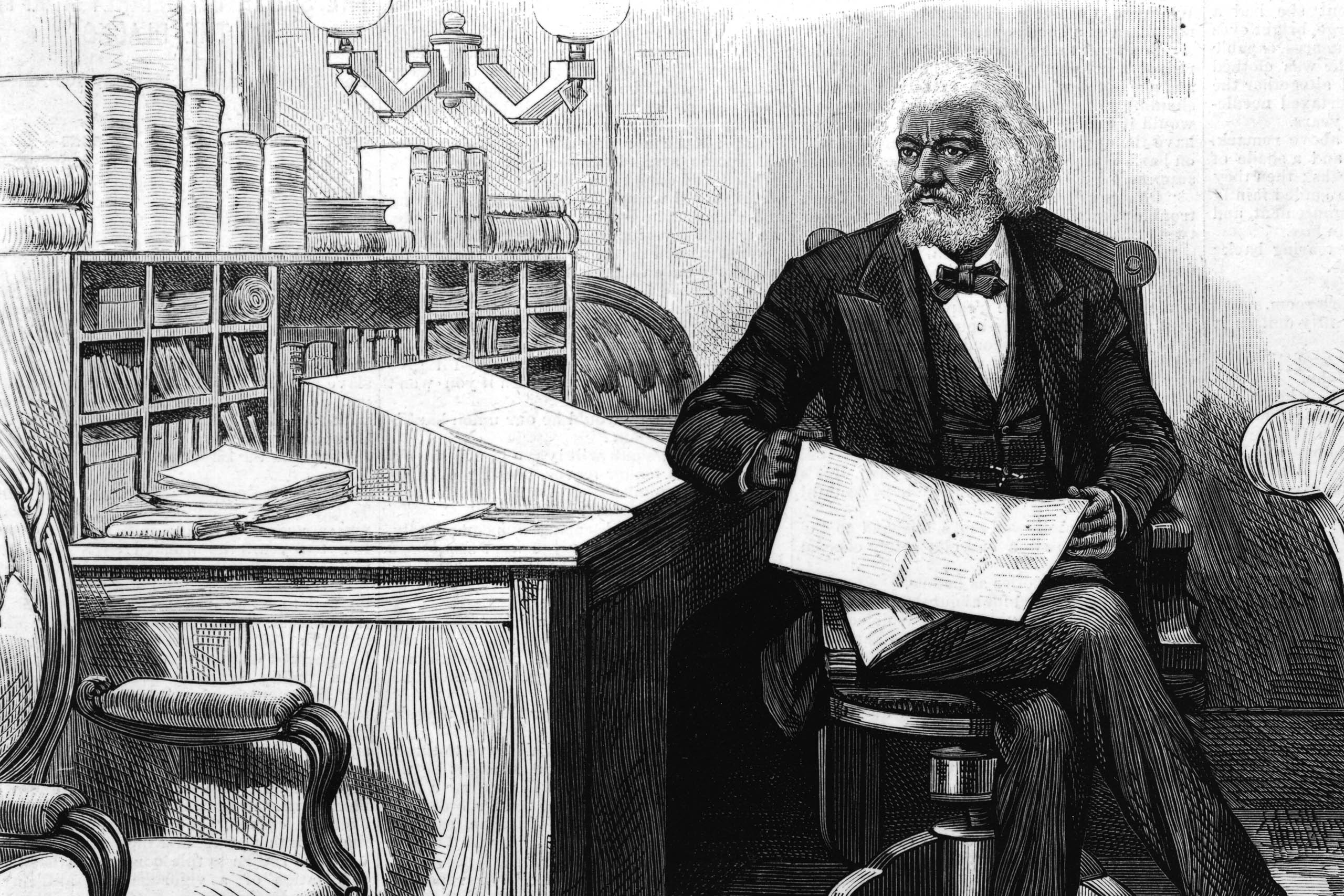
On April 16, 1862, President Abraham Lincoln signed into law the District of Columbia Compensated Emancipation Act. The act freed approximately 3,000 slaves and paid slave owners for their release, thus ending slavery in the District of Columbia. Twenty-one years later, on the anniversary of emancipation in D.C., Frederick Douglass delivered a speech at Congregational Church. This pamphlet includes the address delivered by Douglass, along with correspondence between Douglass and others.
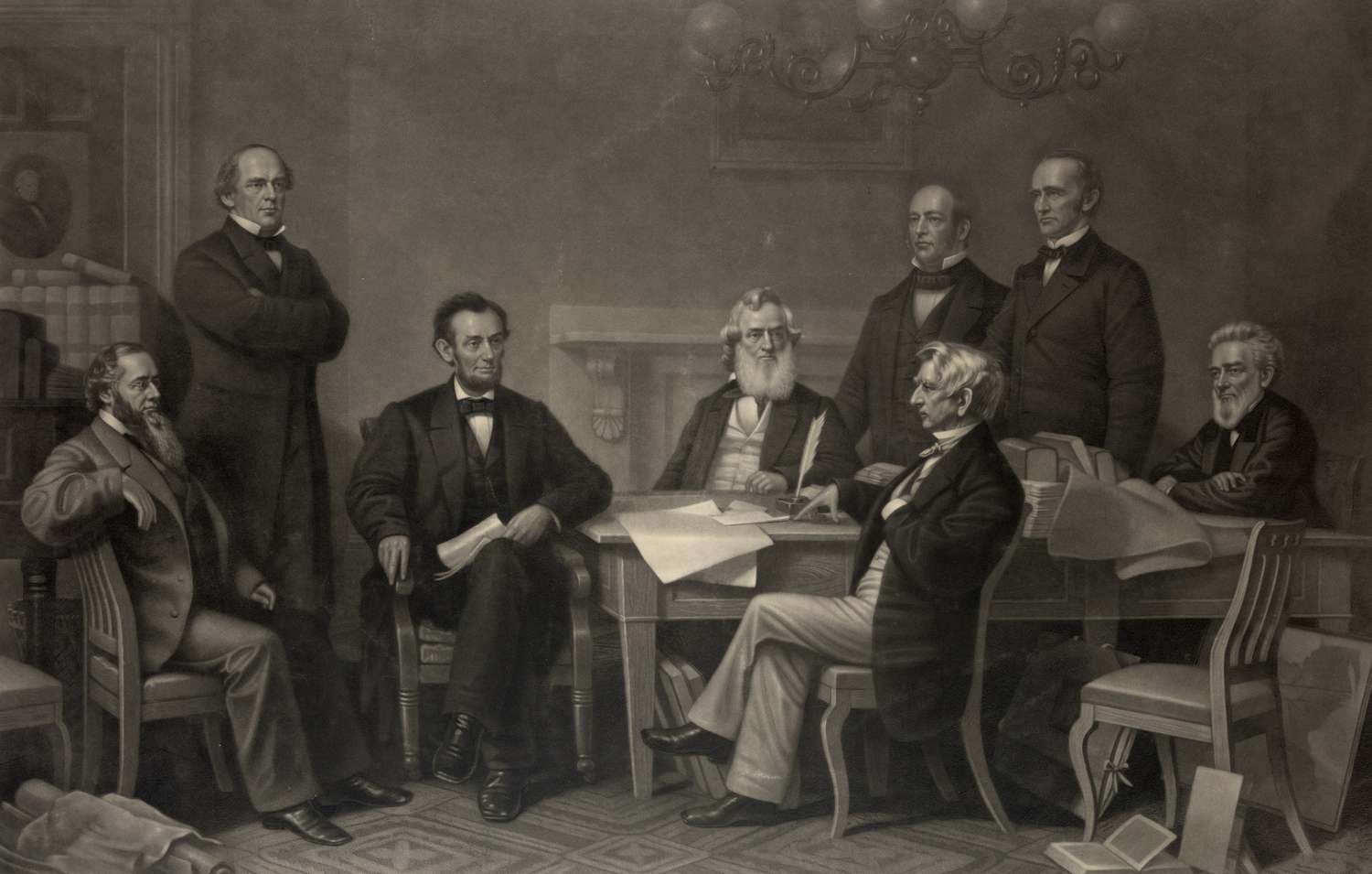
Although the Emancipation Proclamation did not end slavery in the nation, it did fundamentally transform the character of the war. After January 1, 1863, every advance of federal troops expanded the domain of freedom.
The ten affected states were individually named in the final Emancipation Proclamation (South Carolina, Mississippi, Florida, Alabama, Georgia, Louisiana, Texas, Virginia, Arkansas, North Carolina). Not included were the Union slave states of Maryland, Delaware, Missouri and Kentucky.
John Adams, John Quincy Adams, Millard Fillmore, Franklin Pierce, James Buchanan, and Abraham Lincoln were the only US presidents not to own slaves in these years. The striking reality that many of the nation's key political founders were enslavers led historian Edmund S.
support the movement
Join a state chapter and help us bring conservative solutions to Black communities and expose the failures of liberal policies that have kept Blacks trapped in cycles of dependency and limited progress.
Becoming a member includes exclusive access to special events & activities.
Invites to Exclusive Leadership & VIP Events & Congressional Conference Calls.
Receive Email Updates & Personalized Membership Certificate.
Receive Access to FDFA Leadership Training & Marketing Materials.